THE FREEWAY REVOLT
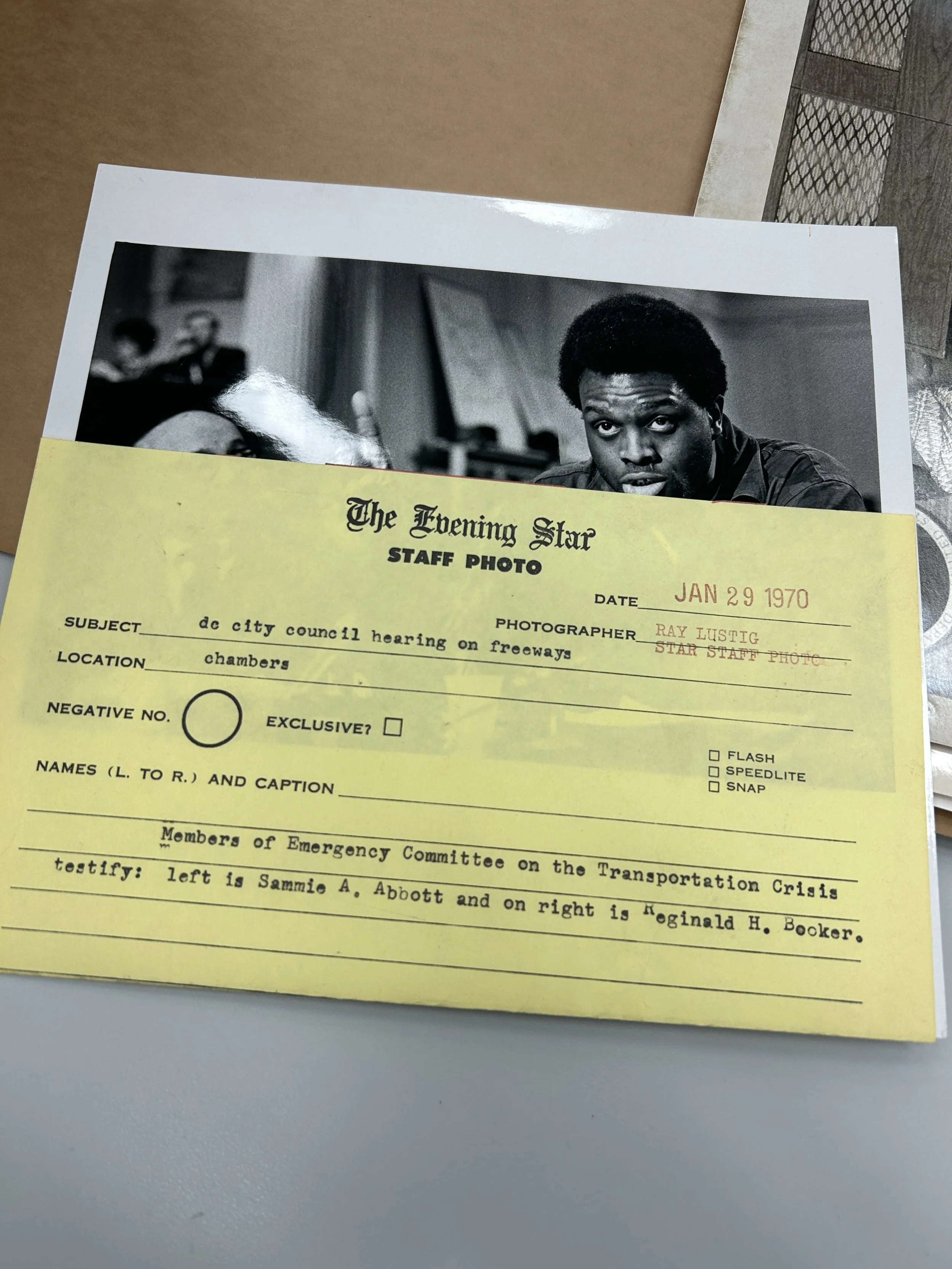
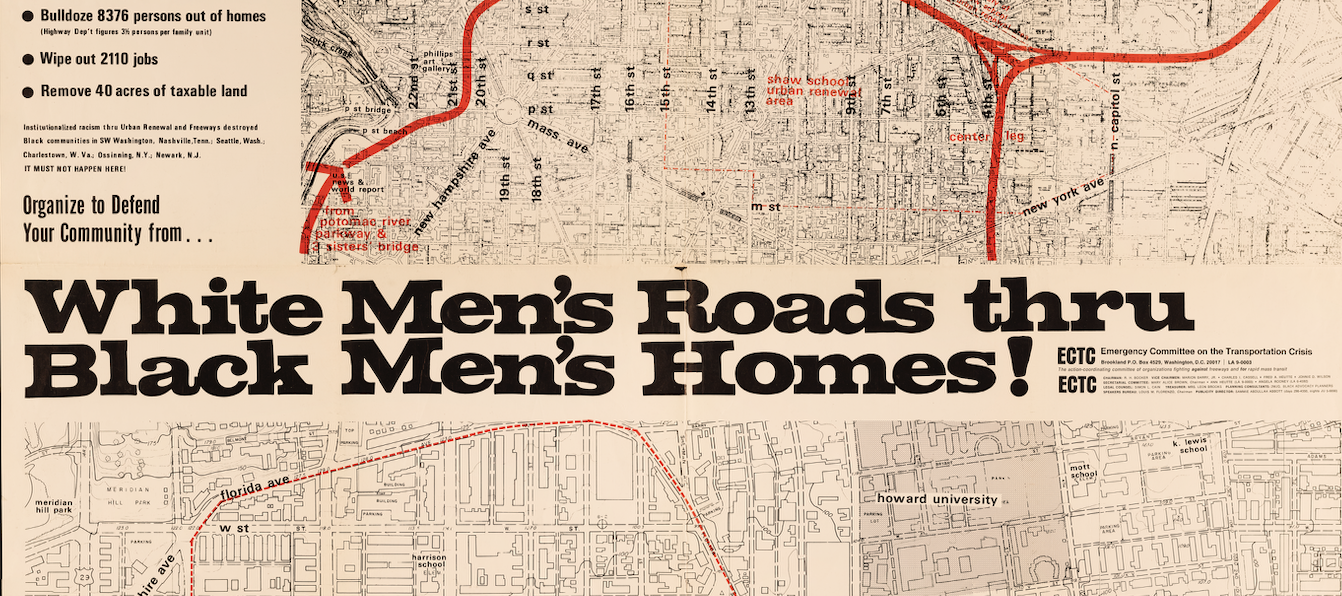
The Freeway Revolt is a short documentary that uncovers the history of Washington, D.C.’s urban renewal era to ask a deceptively simple question: Who was this city built for? Centered on the D.C. Highway Revolt and the activism of Reginald H. Booker and Sammie Abbott, the film traces how grassroots organizing helped stop planned freeways and redirect funds toward Metro, while confronting the lasting damage of displacement and commuter-driven planning.
Moving between present-day rush-hour congestion and the erased neighborhoods of Southwest D.C., the film traces how a thriving, predominantly Black community was labeled “blighted,” bulldozed, and replaced with highways, federal buildings, and infrastructure designed to speed suburban commuters through the city rather than support those who lived within it. Through archival footage, maps, and contemporary interviews, the film reveals how post-war urban planning and federal highway policy functioned as tools of racial capitalism, extracting land, displacing residents, and reshaping the city to serve political and economic power.
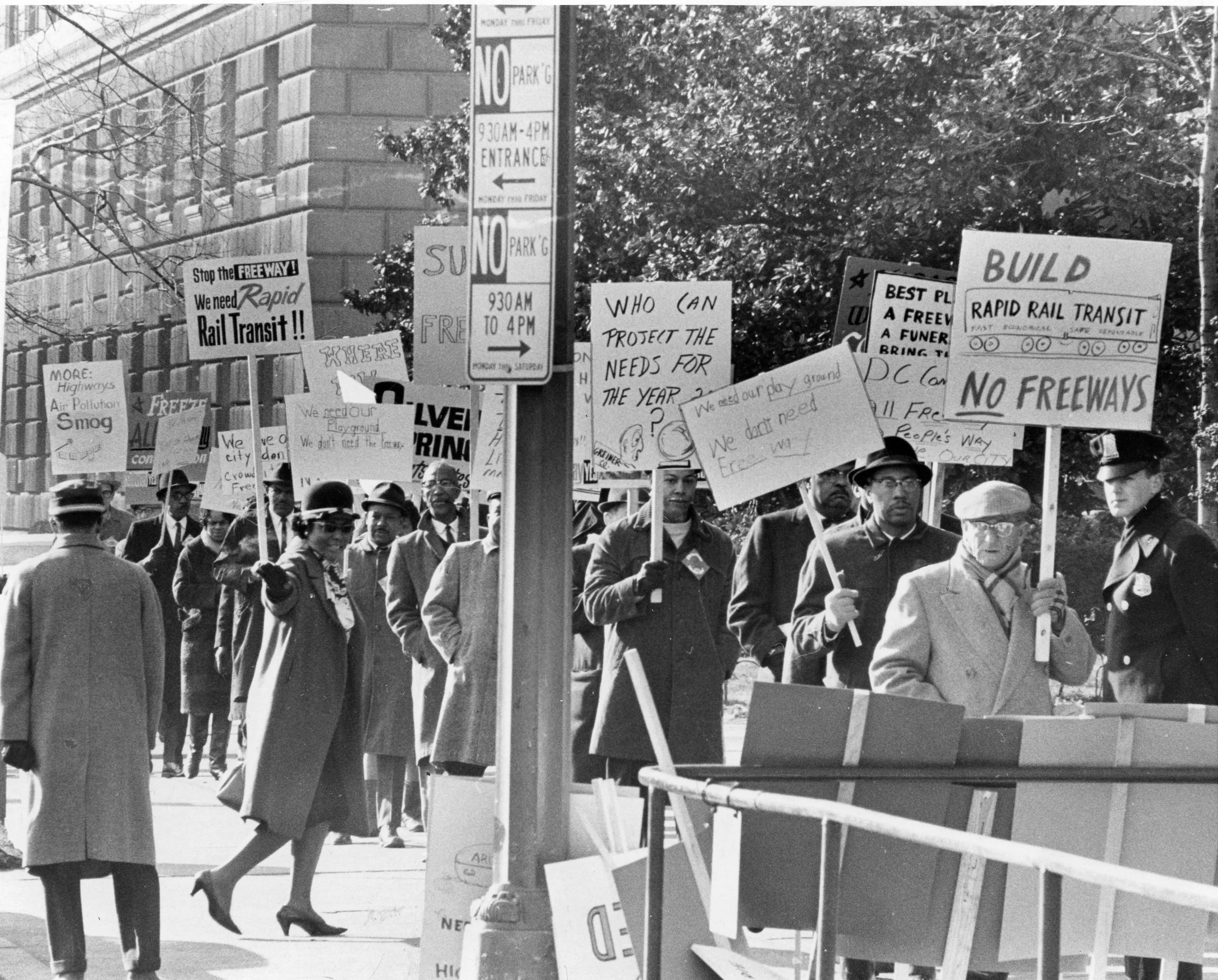
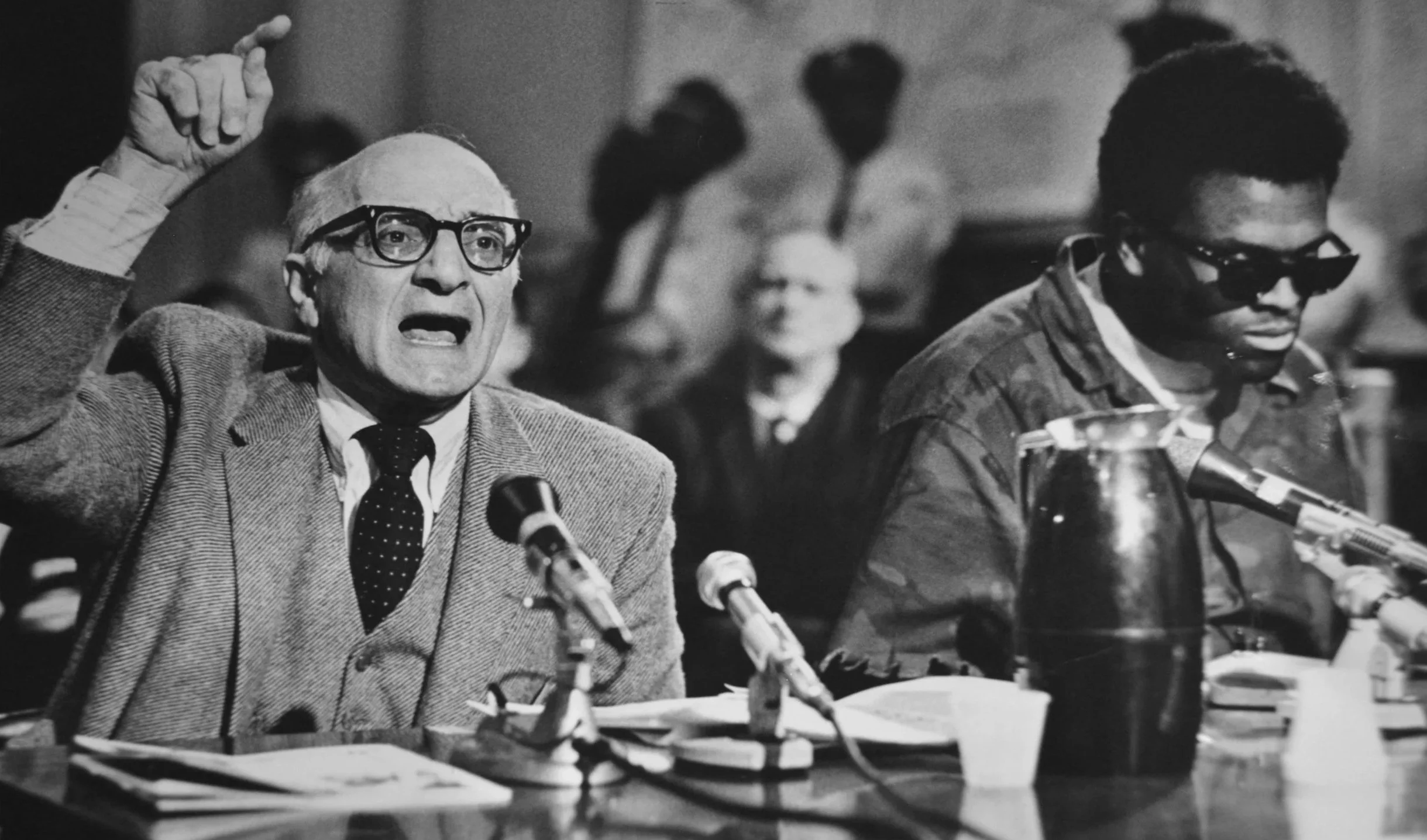
At the heart of the story is the D.C. Highway Revolt, a grassroots movement that challenged the planned freeway system and permanently altered the city’s future. The film centers on activists Reginald H. Booker and Sammie Abbott, whose legal strategies and organizing helped stop major highway projects and redirect funds toward the construction of the Metro. Their fight reframes planning not as a technical process, but as a political struggle over who gets to decide how a city lives and moves.
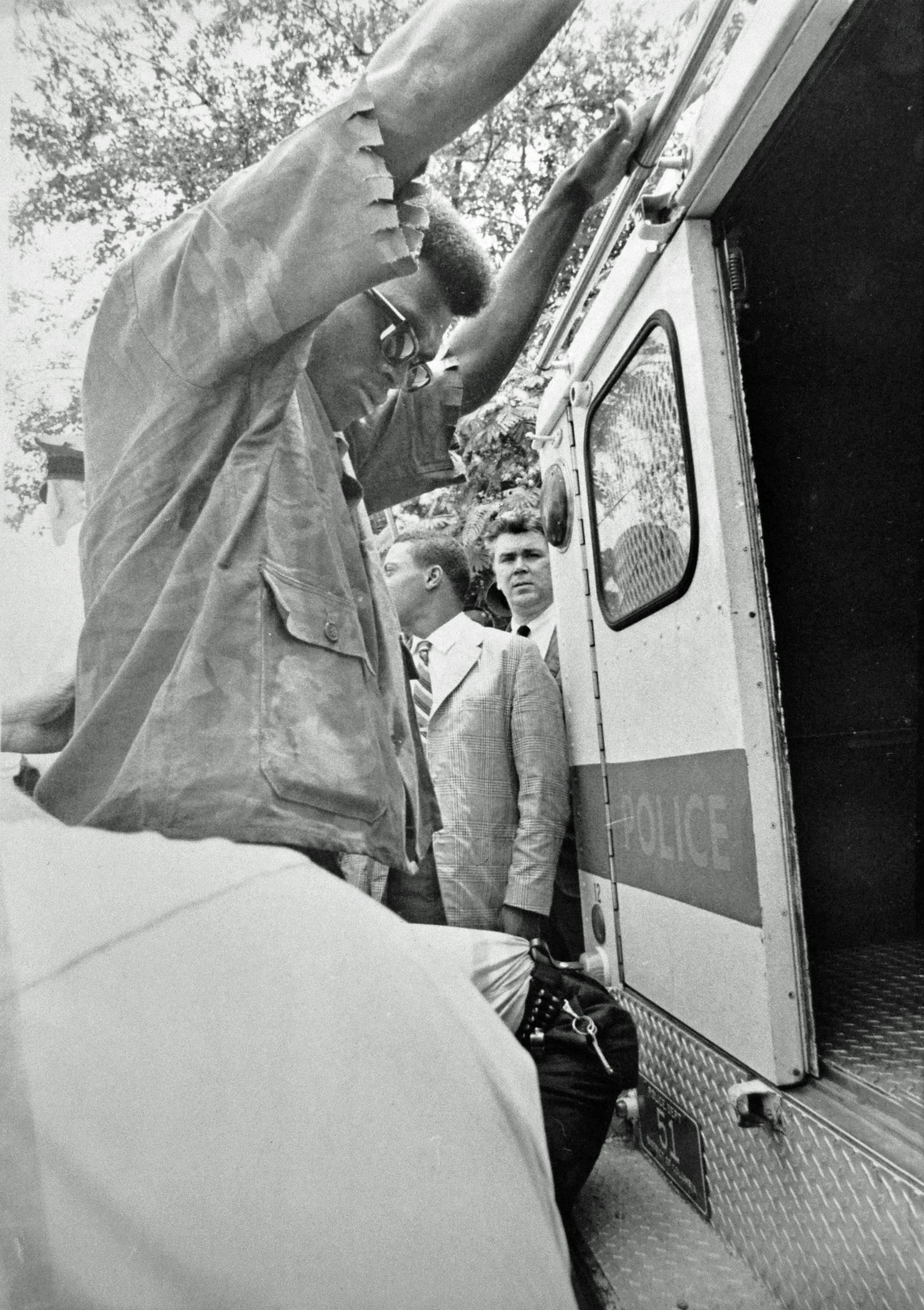
While activism and organizing achieved partial victories, The DC Highway Revolt wasn't overall successful. The damage and displacement, the fracturing of neighborhoods, and the rise of car-dependent infrastructure are realities the city now faces. The film argues that today’s commuter-centric, traffic-choked D.C. is not the result of failed planning, but of deliberate choices rooted in inequality.
By connecting past resistance to present-day transit debates, The Freeway Revolt challenges viewers to see urban planning as a moral act and to imagine what it would mean to build a city for residents first, rather than those merely passing through it.
IN DEVELOPMENT 2026
If you would like to contribute to funding this project please send an email to anirosekane@gmail.com


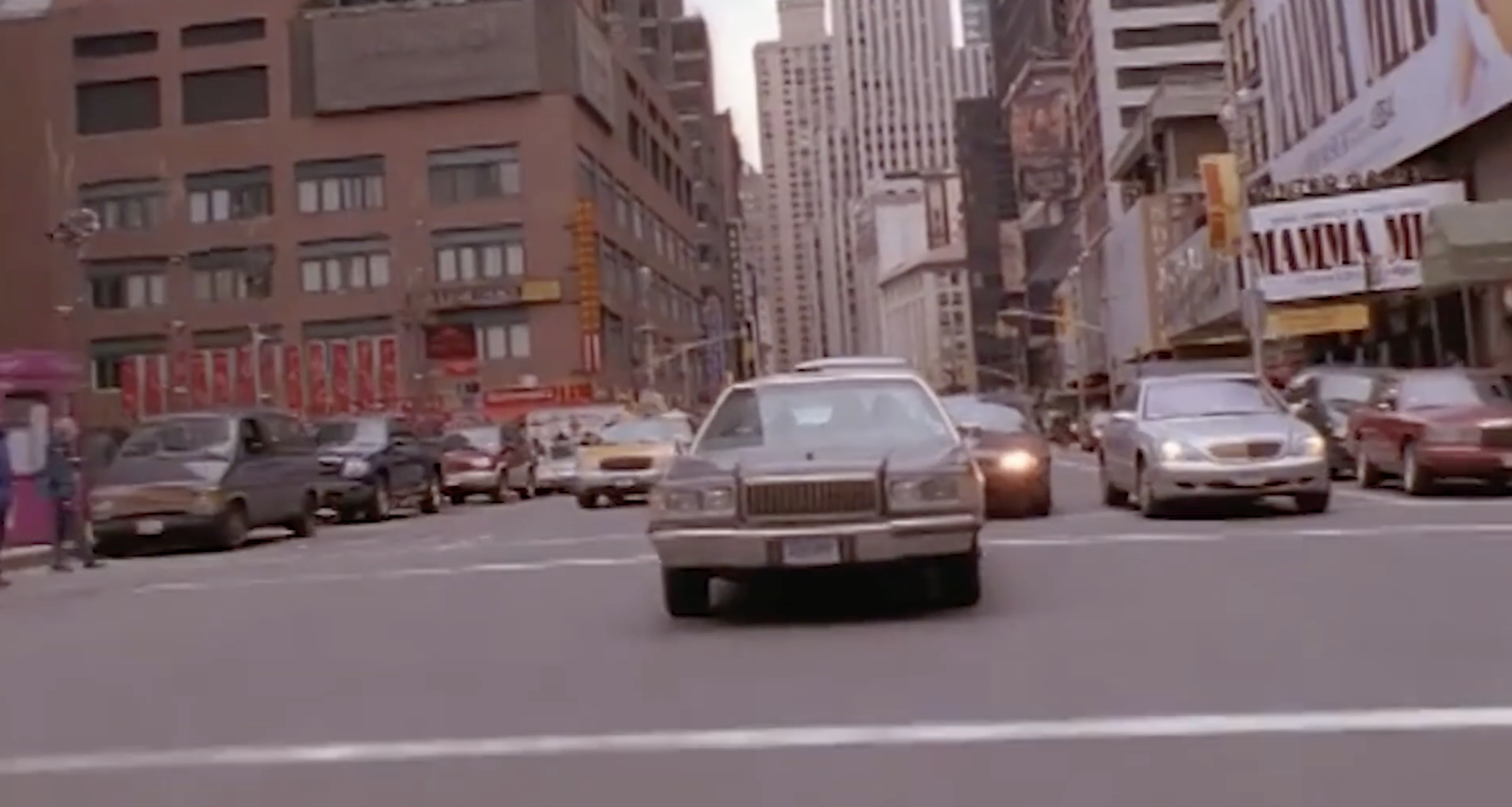
AMERICAN CAR CULTURE
Video Essay 2023
Visiting Colorlab
When I first moved to Washington, D.C., I began working at Colorlab, where I gained hands-on experience in how a lab operates and collaborates with archives. In my first month, I completed one of my first films, diving into a space that was completely new to me. Over the past year, I have expanded my skills significantly, from digitally restoring and color-correcting 8mm and 16mm film using DaVinci Resolve, to cleaning, scanning, and organizing large photographic and film archives. I have also processed Smithsonian archival collections and maintained detailed Excel-based tracking systems. Its equipt me with the skills to dive further into archival based filmmaking.